
Best AI Tools for Talent Acquisition by Use Cases
Leverage your Interview Data
AI interview notes, scorecard, follow-up, ATS integration, and more...
.svg)
.svg)
Talent acquisition has become so fragmented.
For one open role, your team may have to write the job description, search profiles, screen resumes, send outreach, etc....
In this guide, you’ll learn which specific AI tools can finally improve your talent acquisition processes.
How Can AI Help in Talent Acquisition?
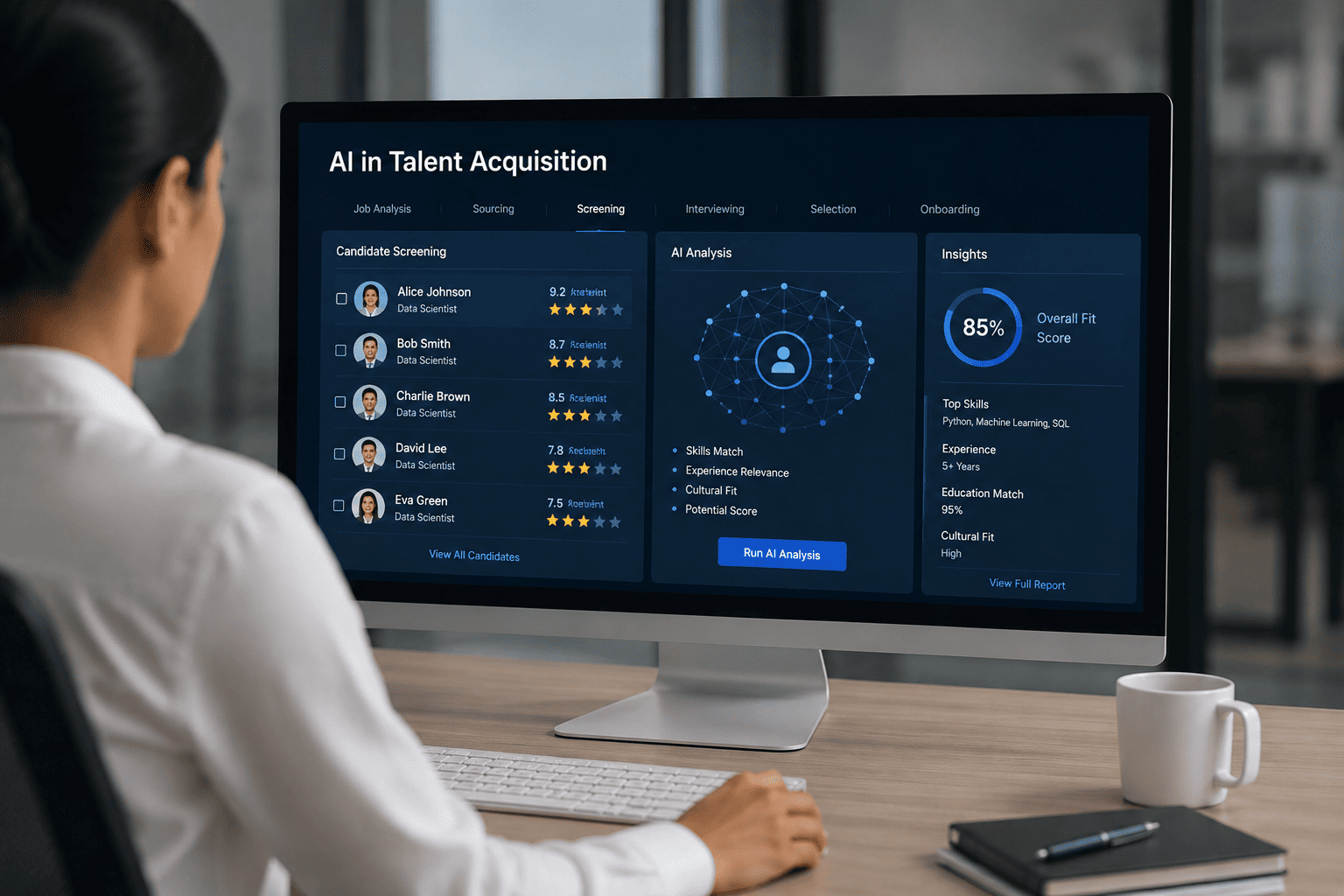
Most recruiters lose time on repetitive work: writing job descriptions, searching profiles, screening resumes, scheduling interviews, taking notes, updating the ATS, and chasing feedback.
AI can automate or assist with many of these tasks, so your team can spend more time on hiring strategy and candidate relationships.
And recruiters are already getting on the boat of AI.
SHRM’s 2025 research shows that AI adoption in HR tasks rose to 43% in 2025, up from 26% in 2024. SHRM also found that 36% of HR professionals using AI for recruiting say it helps reduce recruitment, interviewing, or hiring costs, while 24% say it improved their ability to identify top candidates.
Here are the top of use cases handled by AI :
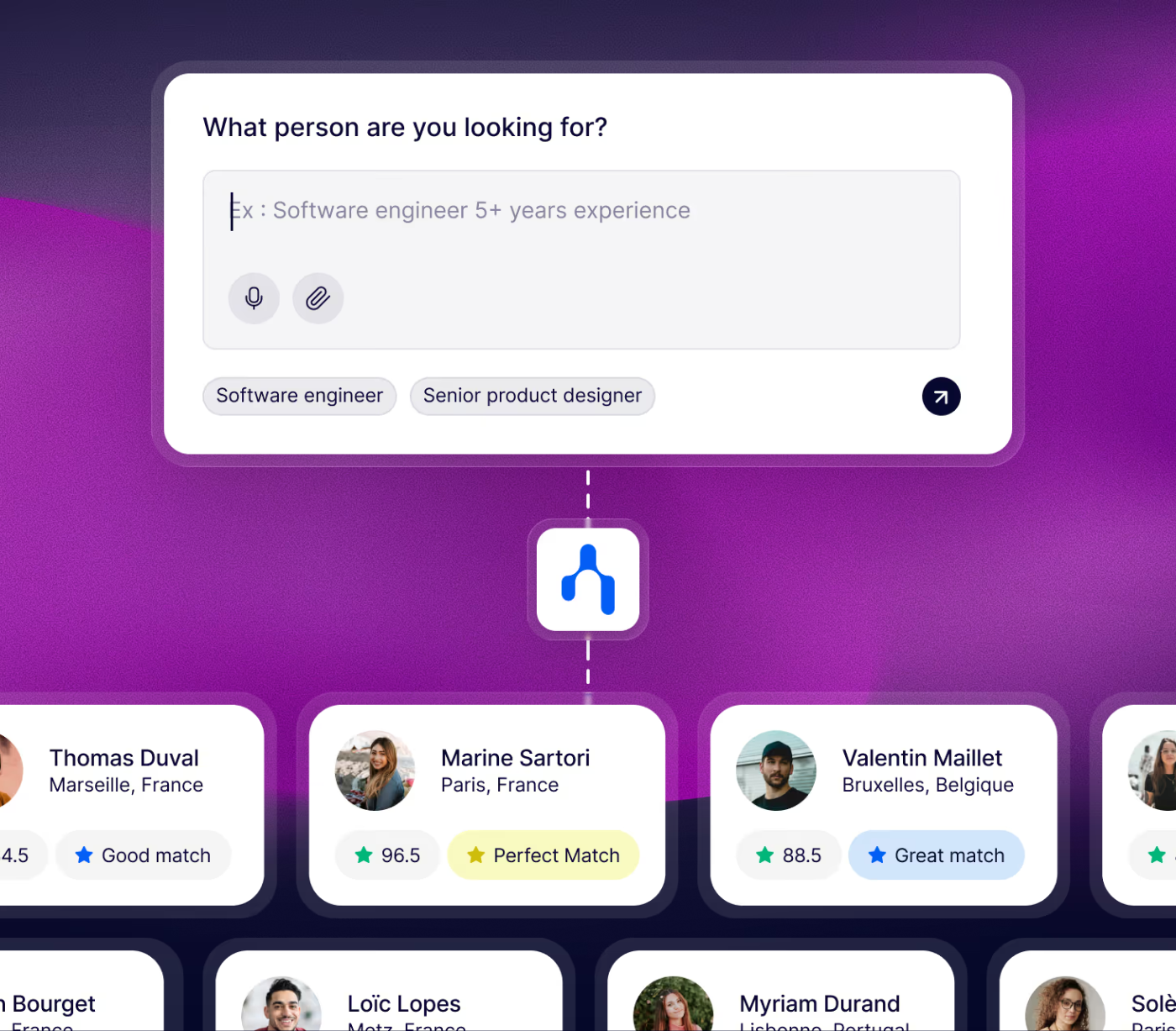
- AI helps you source candidates faster : Instead of building long Boolean searches or manually reviewing hundreds of profiles, your recruiters can describe the candidate they need. AI sourcing tools can then search large databases, professional networks, job boards, ATS records, or public profiles to find people who match your criteria.
- AI helps you screen candidates more consistently : Screening can quickly become subjective. AI can help your team screen candidates against predefined criteria.
- AI improves outreach and candidate engagement : AI can help recruiters write personalized outreach, adapt the message to the candidate’s background, and create follow-up sequences. It can also help classify replies, suggest next steps, and keep conversations moving.
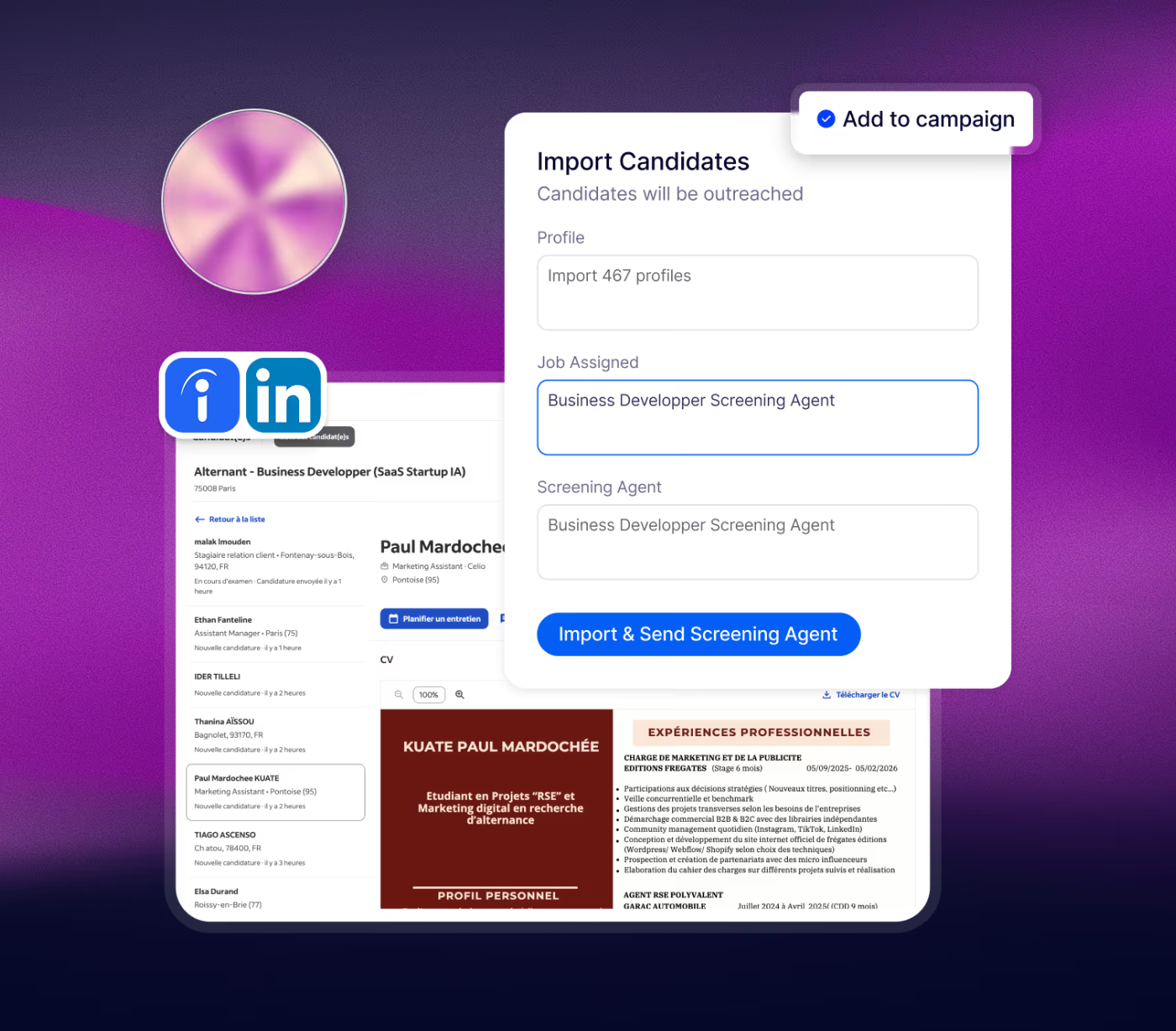
- AI improves interview notes and feedback : AI interview assistants can record interviews, transcribe conversations, summarize key points, and organize feedback around evaluation criteria. This helps your team turn candidate conversations into usable hiring data.
Types of AI Tools to Improve Talent Acquisition
Not every AI talent acquisition tool solves the same problem.
To choose the right tool, start with your bottleneck.
1. AI sourcing tools
Use case:
AI sourcing tools help your recruiters find candidates faster, especially for passive or hard-to-fill roles.
Process before AI:
Your recruiters manually search LinkedIn, job boards, internal databases, and spreadsheets. They build Boolean strings, open dozens of profiles, compare experience manually, and save candidates one by one.
This can work for simple roles.
But when your role is niche, the process becomes slow and repetitive.
Process with AI:
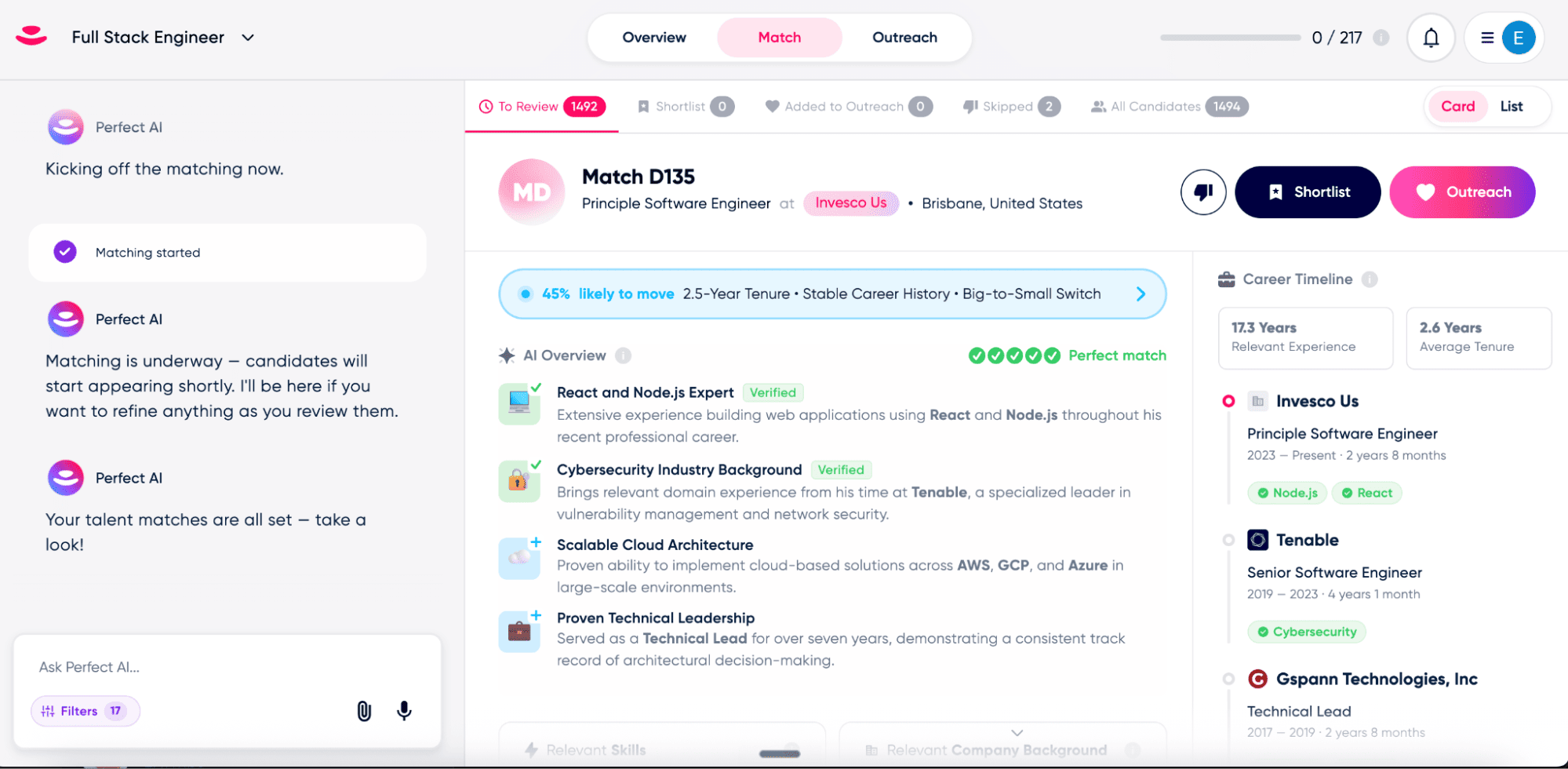
Your recruiter describes the type of candidate they need. The AI searches talent databases, professional networks, ATS records, or public profiles to identify relevant matches.
With AI sourcing, your team can move faster from “we need this profile” to “here are the people we should review.”
Examples of tools:
- Noota Taalent
- LinkedIn AI hiring tools
- SeekOut
- Juicebox
- hireEZ
- GoPerfect
2. AI screening tools
Use case:
AI screening tools help your team review applications and candidate profiles more consistently.
Process before AI:
Recruiters open each resume manually, scan for keywords, compare experience, check must-have requirements, and decide who should move forward.
This can create inconsistent decisions.
One recruiter may focus on job titles. Another may focus on tools. Another may reject a candidate because their resume is not well structured.
Process with AI:
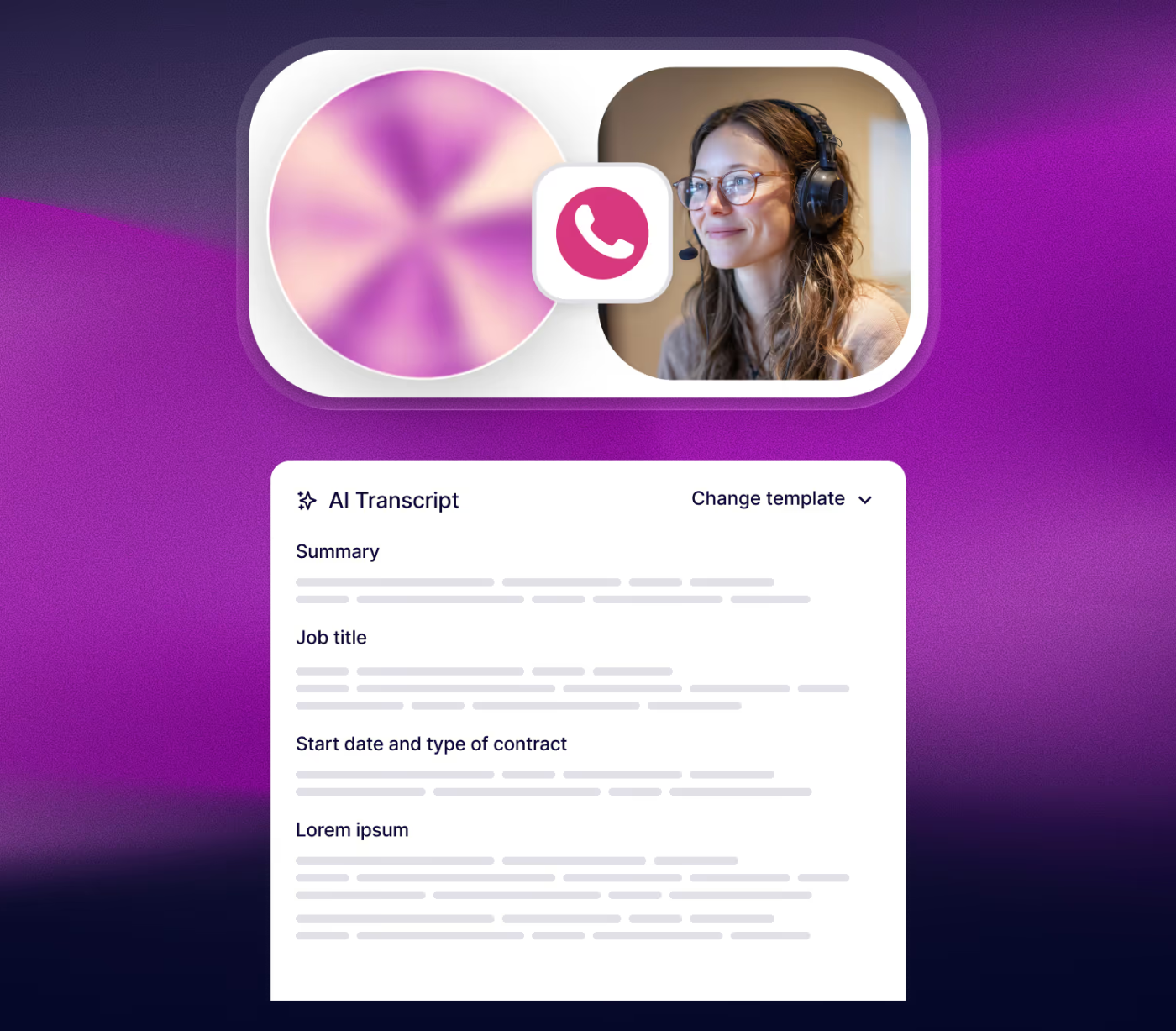
AI can summarize resumes, extract relevant experience, flag missing criteria, and compare profiles against the role requirements.
This helps your team review candidates faster.
It also helps apply the same screening logic across more profiles.
Examples of tools:
- Noota Taalent
- Greenhouse AI features
- Workable AI
- hireEZ
- Manatal
- Paradox
3. AI outreach tools
Use case:
AI outreach tools help your recruiters write, personalize, and automate candidate messages.
Process before AI:
Recruiters write emails manually or reuse generic templates.
They personalize a few lines, send the message, then track follow-ups in a spreadsheet or CRM.
The problem is simple: personalization takes time.
But generic outreach gets ignored.
Process with AI:
AI can draft candidate-specific messages based on the role, the candidate’s background, and your hiring context. It can also help create follow-up sequences, classify replies, and suggest next steps.
This gives your recruiters more speed without losing personalization.
Examples of tools:
- Noota Taalent
- Gem
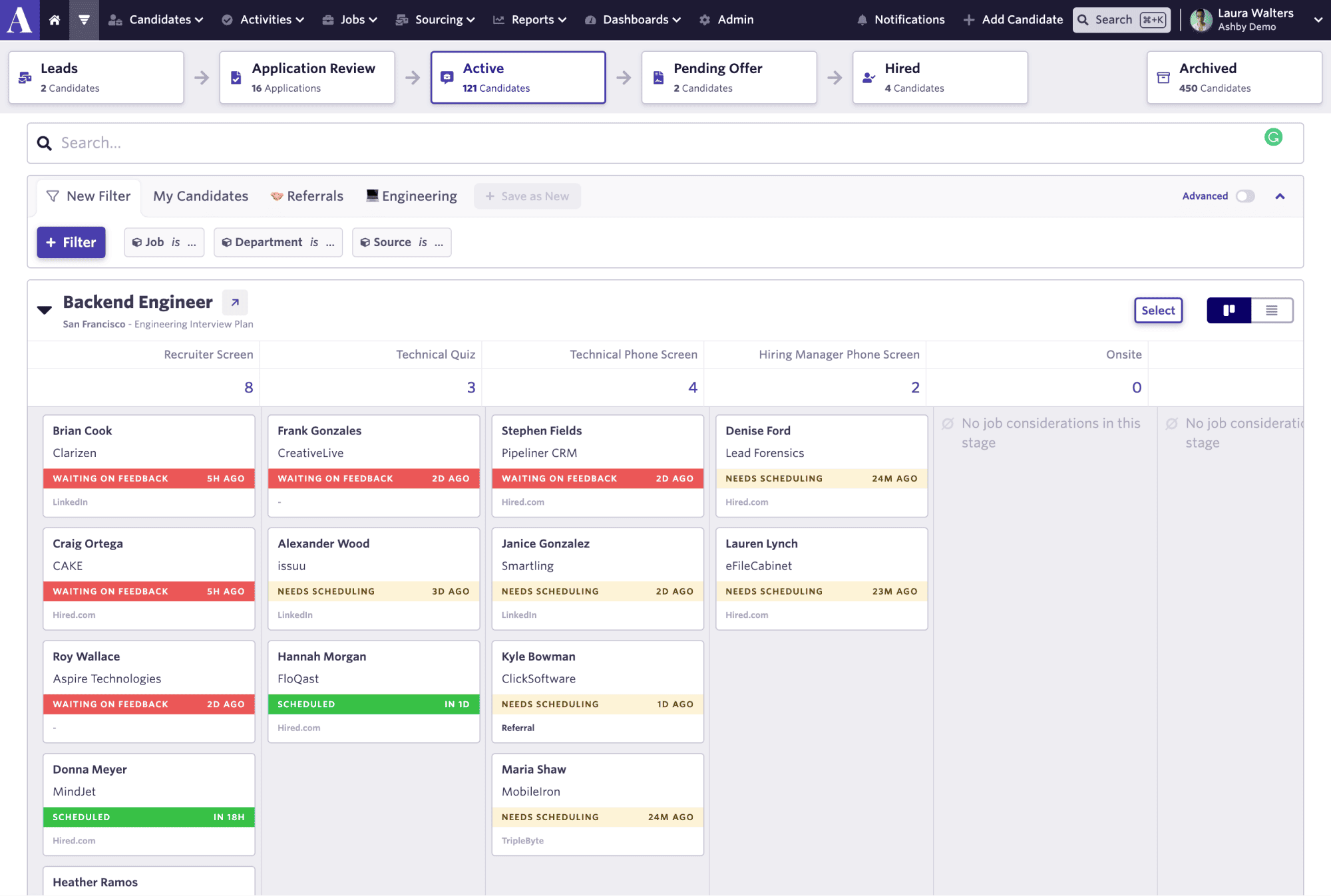
- Ashby
- Juicebox
- Pin
- GoPerfect
- Humanly
4. AI interview assistant tools
Use case:
AI interview assistants help your team capture, summarize, and structure interview data.
Process before AI:
Recruiters and hiring managers take notes during interviews.
After the call, they rewrite summaries, update the ATS, share feedback, and try to remember what the candidate actually said.
This creates a common problem.
Important details get lost.
Feedback becomes vague.
Process with AI:
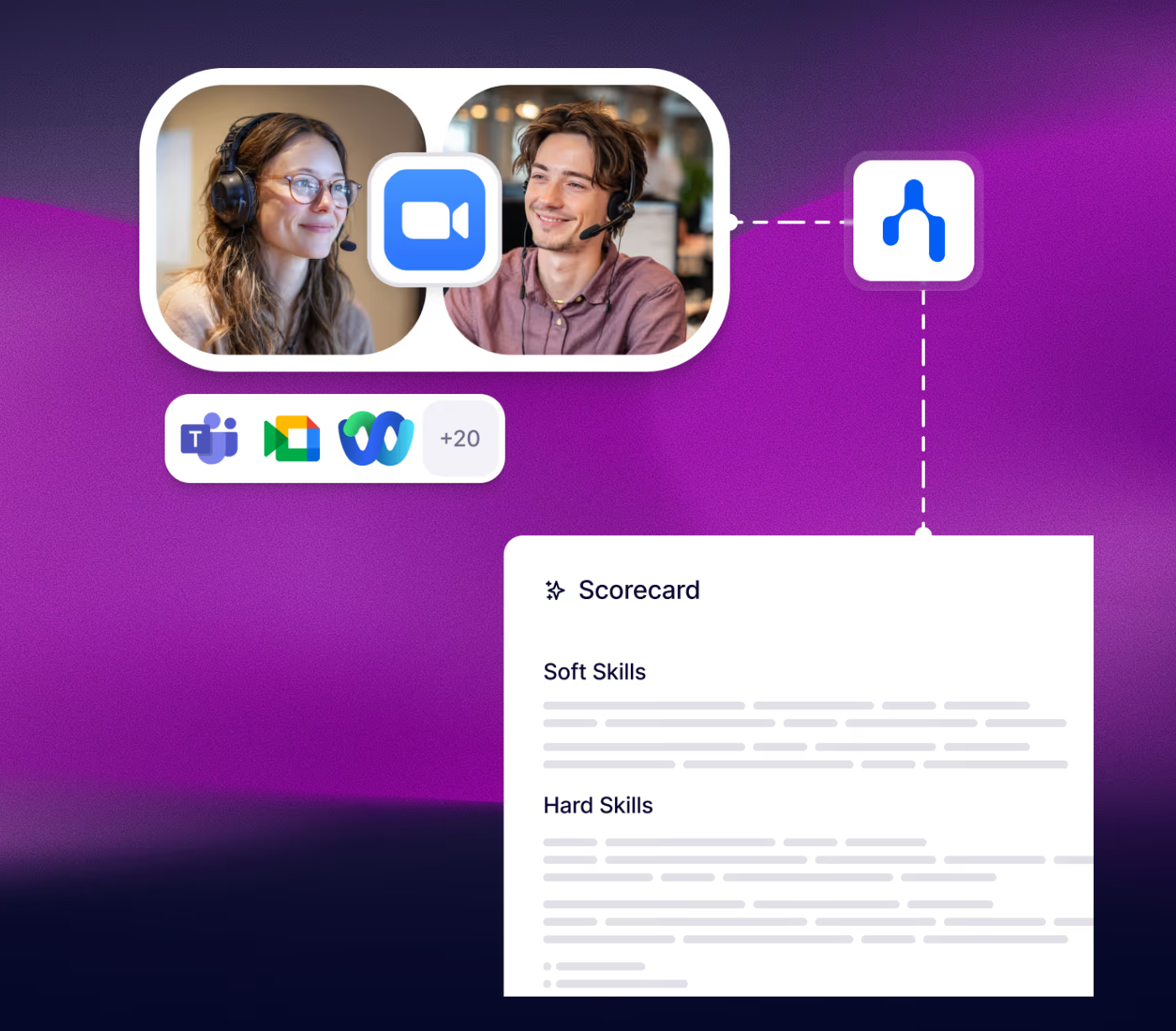
AI interview assistants record and transcribe interviews, generate structured summaries, highlight key answers, and organize feedback around evaluation criteria.
Noota’s AI recruitment guide explains that its AI notetaker records interviews, transcribes them, and generates structured reports so recruiters can evaluate and compare candidates using concrete interview data.
Examples of tools:
- Noota Taalent
- Metaview
- BrightHire
- Pillar
- GoodTime
- Screenloop
5. AI scheduling tools
Use case:
AI scheduling tools reduce back-and-forth between candidates, recruiters, and hiring managers.
Process before AI:
Your recruiter emails the candidate, checks interviewer calendars, proposes slots, waits for a reply, updates the calendar, and handles rescheduling.
For one interview, this is manageable.
For twenty interviews, it becomes a time drain.
Process with AI:
AI scheduling tools can sync calendars, suggest available slots, send reminders, manage rescheduling, and reduce manual coordination.
This is useful because scheduling is important, but it is not where your recruiters create the most value.
Examples of tools:
- GoodTime
- Calendly
- Paradox
- Ashby
- Greenhouse scheduling features
- Noota Taalent workflows
6. AI analytics and talent intelligence tools
Use case:
AI analytics tools help your team understand hiring performance and talent markets.
Process before AI:
Recruiting leaders pull data from the ATS, spreadsheets, sourcing tools, and dashboards.
They try to answer questions like:
- Which source brings the best candidates?
- Where do candidates drop off?
- Which role is stuck?
- Which hiring manager takes too long to give feedback?
- Which profiles are available in the market?
Process with AI:
AI can summarize funnel data, identify bottlenecks, analyze source quality, and surface recruiting insights faster.
Examples of tools:
- LinkedIn Talent Insights
- Eightfold AI
- SeekOut
- Gem
- OneModel
- Visier
7. End-to-end AI recruiting platforms
Use case:
End-to-end AI recruiting platforms connect several steps of your talent acquisition process in one workflow.
Process before AI:
Your team uses one tool for sourcing, another for outreach, another for interviews, another for notes, and your ATS as the final system of record.
That creates tool switching.
It also creates data loss.
Candidate context gets spread across too many places.
Process with AI:
An end-to-end platform connects intake, sourcing, screening, interviews, scorecards, reports, and ATS updates.
Noota Taalent is built around this type of workflow. Its help center explains that the platform helps automate sourcing, screening, interviews, and hiring workflows in one platform. It also synchronizes structured data such as candidate reports, interview notes, scores, evaluation results, and status updates with your ATS.
Examples of tools:
- Noota Taalent
- Ashby
- Greenhouse
- Workable
- Lever
- SmartRecruiters
Best AI Talent Acquisition Tool: Noota Taalent
Noota Taalent is an AI recruiting platform built to automate your full talent acquisition workflow.
1. Intake and role definition
Good talent acquisition starts with a clear hiring need.
Noota Taalent helps your team define the role before sourcing starts. During intake, you can structure the hiring need, clarify the required skills, define optional criteria, and create a scorecard.
2. AI sourcing and candidate ranking
Once the role is defined, Noota Taalent can help your team find and rank candidates automatically among a database of 800M+ profiles from a variety of channels and websites (Linkedin, Github, job boards, social media).
3. AI screening and structured interviews
Noota Taalent also supports vocal prequalification agents.
Instead of asking your recruiters to repeat the same screening questions manually, the platform agents ask questions to candidates before deeper interviews.
4. Candidate profiles and scorecards
Noota Taalent centralizes candidate information in one structured profile.
The candidate profile includes reports, scores, interview data, and evaluation results. Noota’s help center says it automatically collects data from sourcing, screening, interviews, and scorecards to help recruiters evaluate candidates consistently.
5. ATS synchronization
Noota Taalent does not replace your ATS.
It works on top of it.
Its ATS synchronization documentation explains that Noota connects with your ATS to synchronize candidate data, reports, and evaluation results across the hiring workflow.
Leverage your Interview Data
AI interview notes, scorecard, follow-up, ATS integration, and more...

Jean-marc is an AI expert helping recruiters & professionnals leverage these tools in their everyday work.
Related articles
.webp)
.png)

Forget manual sourcing and screening.
try Taalent now
FAQ
In the first case, you can directly activate recording as soon as you join a videoconference.
In the second case, you can add a bot to your videoconference, which will record everything.
Taalent also enables you to translate your files into over 30 languages.

.svg)